The High Window: Lighting Steel Roof Lanterns Without Competing With Daylight
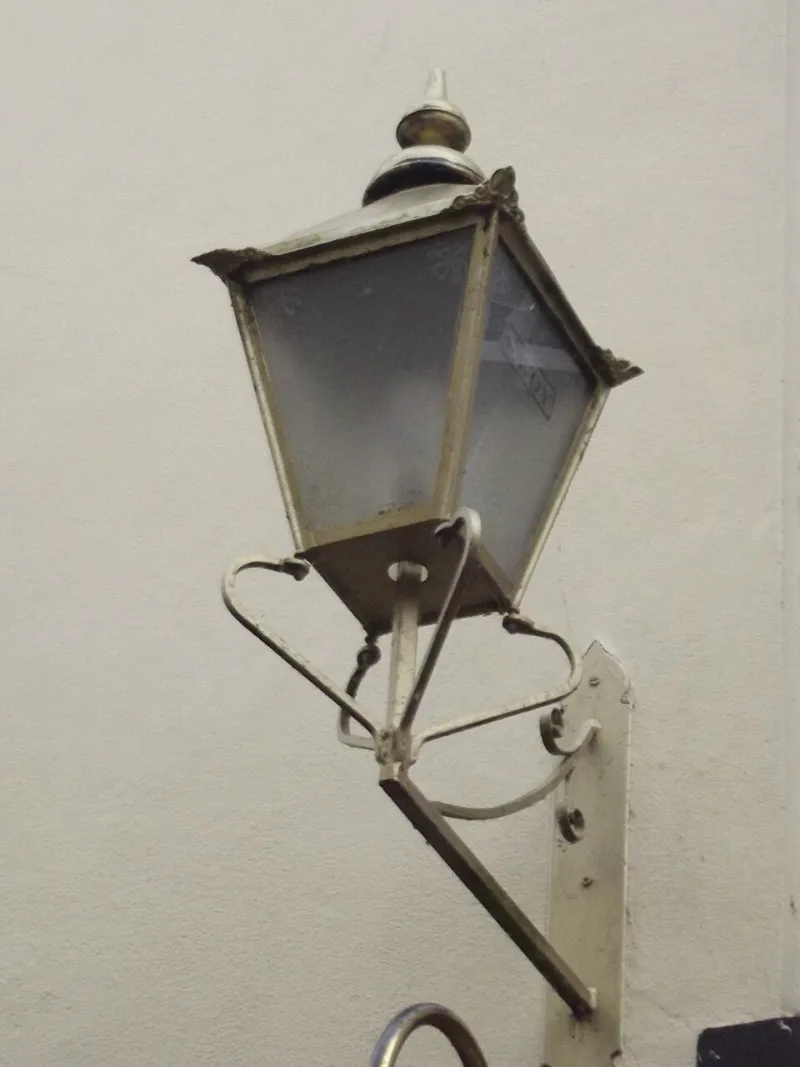
Photo: Elliott Brown from Birmingham, United Kingdom, CC BY-SA 2.0, via Wikimedia Commons
Roof lanterns are often bought for what they admit, not for what they need at night. In a steel-framed extension the lantern is also a visible piece of structure: slender rafters, a perimeter upstand and a large area of glass. Lighting should respect that hierarchy. The first decision is whether the lantern is to be a quiet ceiling feature after dark or a lit element in its own right. In most UK kitchens and garden rooms, the better answer is the former. Let the glass go dark and light the surfaces below.
Begin with the ceiling section, not the fitting
Plan three zones: the flat ceiling around the upstand, the upstand itself, and the rafter line. The perimeter ceiling is usually the most forgiving place for ambient light. A continuous recessed slot or a run of small, deep-set downlights can wash the room without putting a lamp in the sightline. The upstand should be treated cautiously; a grazing wash can reveal the steel profile, but a badly aimed fitting will produce a bright band on the glass. Rafter-mounted luminaires are best kept for accent or task use, where their fixing can be resolved with the steel detail.
A lantern is a daylight device first. The artificial lighting should support the room at dusk and after dark without turning the glazing into a black mirror. Keep direct light off the glass. If an uplight is used, shield it so that the lamp is not seen through the lantern, and avoid throwing light at the sky.
Manage glare before output
Glare is the main risk. High-level glazing offers a second surface for reflections, and in low winter sun the room can be bright while the ceiling remains in shadow. A luminaire that is comfortable at 2.7 m may become visible from a seated position at the island. Specify deep recesses, baffles or honeycomb louvres, and check the shielding angle from the likely seating and working positions. For linear fittings, opal diffusers alone are rarely enough; a recessed or regressed source is better.
Colour temperature should be chosen with the steel finish in mind. A neutral 3000 K or 3500 K source is usually more sympathetic to galvanised, powder-coated or brushed steel than a very warm or very cool white. High colour rendering helps the frame read as metal rather than as a dark silhouette. Where the lantern has a visible coating, sample the light against the actual finish before committing to a batch.
Fixings to steel upstands and rafters
Steel is a convenient substrate but not a uniform one. Before specifying a bracket, establish the section type, gauge, coating and whether the steel is structural. Drilling a structural rafter or upstand should not be a site decision; it needs the engineer's approval and a method that protects the coating. Clamp-on fixings are often preferable. Proprietary beam clamps, hooked brackets and strap fixings can spread the load without penetrating the steel. Magnetic fixings are sometimes proposed for steel rafters, but they rely on a ferritic substrate and a thin coating; they are not a universal answer, and they should not be used where vibration or thermal movement could allow creep.
Detail a thermal break where a warm interior fitting meets a cold steel upstand. A direct metal-to-metal contact can become a condensation point, particularly in a kitchen where moisture levels rise. Use isolating pads or brackets designed for the purpose, and keep cable entries sealed. Cables should not be trapped between steel and plasterboard; provide grommets and a service loop. If the luminaire is Class I, confirm earthing continuity through the bracket. For linear runs, allow for expansion and avoid rigid fixing at both ends. The aim is a fixing that is invisible, serviceable and kind to the coating.
Daylight-linked dimming
A lantern makes the room's daylight variable. A simple on/off circuit will either waste energy or create a hard contrast between the bright glazed zone and the artificially lit perimeter. Daylight-linked dimming is the practical response. Use a photocell or a DALI control system with a deadband and a time delay, so that the lights do not hunt on passing cloud. Position the sensor where it reads the room, not the sky, and shield it from direct sun. Commission the setpoint under overcast and clear conditions; a single sunny-day adjustment is not enough.
Separate the lighting into at least two circuits: ambient perimeter, task over the island or table, and accent on the steel. This allows the daylight response to dim the ambient layer first while keeping task light available. If the drivers are remote, locate them in an accessible ceiling void or cupboard, not above the lantern where access is difficult. Check compatibility between dimmers, drivers and sensors at specification stage; a familiar protocol on paper is not the same as a tested combination on site.
Maintenance near high-level glazing
The maintenance reality is simple: anything above a lantern is harder to reach than it looks. Specify long-life LED modules and remote drivers where possible. Keep the number of high-level fittings modest, and group them for access. An internal fitting near glazing does not always need a high IP rating, but condensation, cleaning and occasional roof leakage make IP44 a sensible minimum in many kitchen and garden-room settings. Avoid finishes that need frequent polishing; powder-coated steel and anodised aluminium are easier to maintain than bare polished metal.
Glass cleaners and aggressive agents should not be allowed to run onto the frame or fittings. Provide a maintenance schedule that includes checking fixings for movement, cleaning the lantern glazing, and inspecting seals. In exposed UK locations, wind-driven rain and pollen will affect the appearance of both glass and steel. A fitting that is easy to wipe down is worth more than one with a complicated profile.
Conclusion
The best lighting scheme for a steel-framed roof lantern is not the one that makes the lantern the brightest thing in the room. It is the one that lets daylight lead, controls glare, fixes cleanly to the steel and remains serviceable. Resolve the lighting with the lantern detail, not after it. The result is an extension that reads well by day and by night, with the steel frame still doing the architectural work.